In this article22 sections · Jump to an idea
6 min read
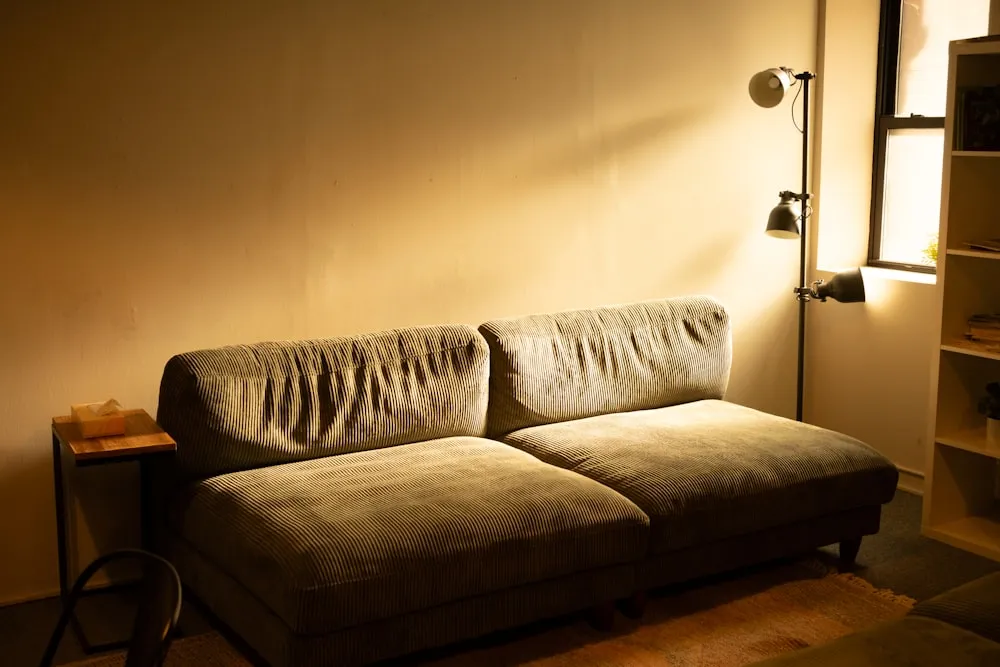
A cozy fall living room does not need to be covered in orange pumpkins. Often the biggest change comes from a few practical layers: softer textiles, warmer light, natural materials, and deeper accent colors.
Use these fall living room decor ideas as a menu rather than a shopping list. Choose the changes that suit your room, your storage space, and the way you actually use the living area.
1. Start With One Warm Throw
A throw blanket is one of the fastest seasonal changes because it adds both color and texture. Choose wool, a soft woven cotton, fleece, or a chunky knit depending on your climate.
Drape it over one sofa arm or fold it into a basket instead of covering the entire sofa.
2. Swap Cushion Covers, Not the Inserts
Changing only the covers is cheaper and requires less storage than buying complete seasonal cushions. Try rust, olive, camel, burgundy, chocolate, or warm beige.
Repeat two or three colors already present in the room so the seasonal update still feels connected to your normal decor.
3. Layer Texture Before Adding More Objects
Wool, boucle, velvet, linen, woven baskets, and natural wood create a cozy feeling without cluttering surfaces. This is especially useful in small living rooms where too many decorative objects can feel busy.
Use different textures within a limited color palette for a calmer result.
4. Bring in Warm Wood
A wood tray, side table, picture frame, bowl, or stool adds visual warmth. You do not need to replace furniture; one or two small wood elements are enough.
For a budget option, move wooden pieces from another room for the season rather than buying new decor.
5. Use Warm, Layered Lighting
Table lamps and floor lamps usually feel cozier than one bright ceiling light. Warm-white bulbs around 2700K are a good starting point for an inviting evening atmosphere.
Keep task areas bright enough to read comfortably, and use dimmers where possible rather than making the whole room too dark.
6. Keep the Coffee Table Practical
Use a tray to contain a candle, small vase, book, or one seasonal object. Leave enough empty surface for drinks and everyday use.
A common mistake is turning the table into a seasonal display that has to be moved every time someone sits down.
7. Use One Tall Arrangement of Autumn Branches
A few branches in a ceramic or glass vase can create more impact than many small decorations. They add height and natural color without using much surface area.
If using real branches, check for insects and avoid placing dry material too close to candles or heaters.
8. Choose a Few Pumpkins in Muted Colors
Cream, green, terracotta, and soft orange pumpkins can work with neutral interiors without feeling overly themed. Group two or three together rather than spreading small pumpkins across every shelf.
Reusable ceramic or fabric pumpkins reduce yearly waste if you enjoy the same look each season.
9. Add Candles Safely
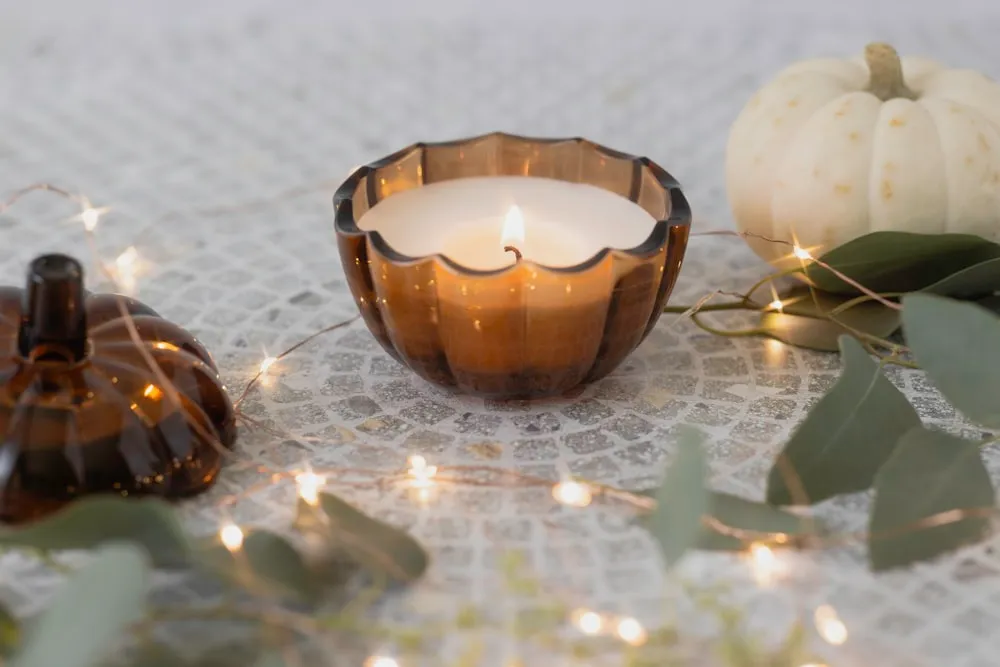
Candles add movement and warm light, especially on darker evenings. Use a stable tray and keep flames away from curtains, dried leaves, throws, and children or pets.
Flameless LED candles are a good alternative when open flames are not practical.
10. Anchor the Seating Area With a Rug
A rug makes a living room feel softer underfoot and visually connects the seating area. Vintage-inspired, wool-look, or warm neutral rugs work well for fall.
If you are buying one, try to choose a size that allows at least the front legs of the main seating to sit on the rug; tiny floating rugs can make a room feel smaller.
11. Style the Mantel With Restraint
Choose one main focal point such as a mirror or artwork, then add a few supporting elements: candles, branches, or a small group of seasonal objects.
Leave some empty space. A crowded mantel can make the whole living room feel visually heavy.
For a closer look at arranging this focal point, see our autumn mantel styling guide.
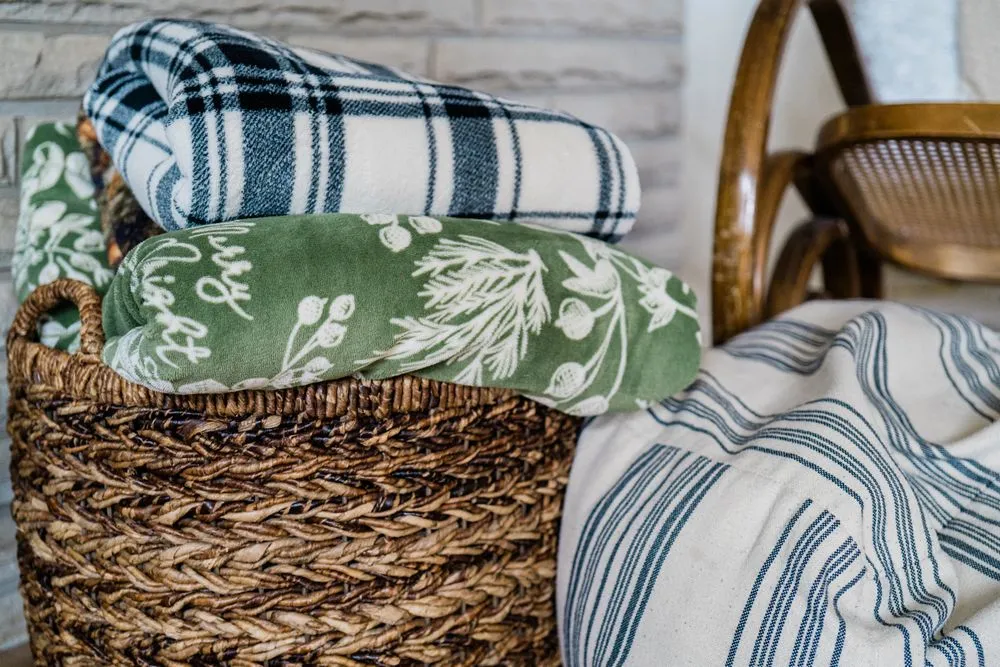
12. Store Extra Throws in a Woven Basket
A large basket beside the sofa keeps blankets accessible while adding natural texture. It is useful decor rather than purely decorative decor.
Choose a basket with smooth edges so it does not snag delicate throws.
13. Introduce One Deeper Accent Color
Olive green, chocolate brown, rust, burgundy, or charcoal can make a neutral room feel more seasonal without repainting. Add the color through a cushion, throw, art print, or vase.
Repeating the accent in two places usually looks more intentional than using many unrelated dark colors.
14. Use Dried Flowers or Grasses
Dried hydrangeas, grasses, wheat, and eucalyptus suit the season and last longer than fresh flowers. Use one loose arrangement rather than several small ones.
Keep dried arrangements away from open flames because the material is highly flammable.
15. Create a Reading Corner
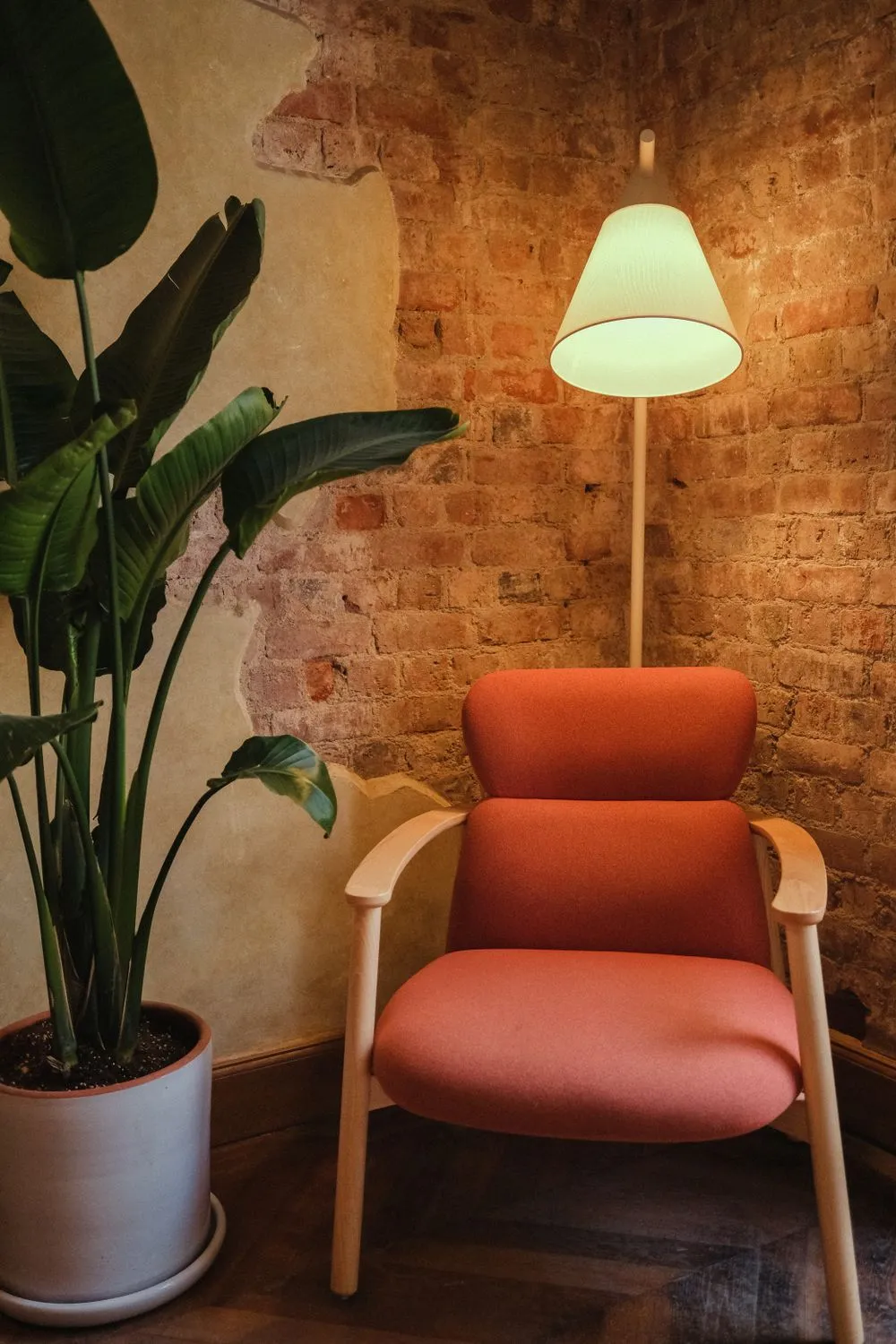
An unused corner can become a cozy seasonal feature with a comfortable chair, a small table, a lamp, and a throw. It adds function instead of simply adding more decor.
In a small room, use a compact chair or reposition an existing chair rather than buying an oversized accent chair.
16. Bring Books Into the Styling
Books add height and make a room feel lived-in. Use a small stack under a bowl or candle, or keep favorite books within reach on the coffee table.
Avoid building tall decorative stacks that make everyday surfaces harder to use.
17. Remove Bright Summer Pieces
Fall decorating can be as much about editing as adding. Put away highly summery colors or lightweight beach-themed objects if they clash with the warmer seasonal palette.
This is a free way to change the room and prevents seasonal decorating from becoming clutter accumulation.
18. Swap One Piece of Artwork
Changing a single framed print can shift the entire mood of a room. Try a warm landscape, vintage botanical, textured abstract, or moody photograph.
Use the same frame and change only the print to keep the update inexpensive and easy to store.
19. Decorate With Natural Materials
Wood, stone, clay, linen, jute, and woven fibers feel grounded and seasonal without being limited to fall. They also transition easily into winter decor.
Choose materials you would still like after the season ends; this reduces the need for short-lived decorative purchases.
20. Add a Subtle Seasonal Scent
Cedarwood, amber, apple, sandalwood, vanilla, or light spice can reinforce the cozy atmosphere. Use one scent source at a time so the room does not become overwhelming.
If anyone in the home is sensitive to fragrance, skip scented products and rely on lighting and textiles instead.
21. Stop Before Every Surface Is Decorated
The goal is warmth, not maximum seasonal coverage. Once the sofa feels layered, the lighting is comfortable, and one or two surfaces have fall accents, the room may already be finished.
Leaving empty space makes seasonal details more noticeable and keeps the living room easy to live in.
Keep the room feeling calm with the principles in our minimalist living room guide.
Final Thoughts
A warm fall living room is mostly about atmosphere. Layer textiles, soften the lighting, introduce a few natural materials, and then add seasonal details only where they improve the room. The most successful fall decor still feels like your home - just a little warmer and more inviting.
Save it
Pin this for your board
Tap the image to save it to Pinterest and come back to it when you are ready to start.