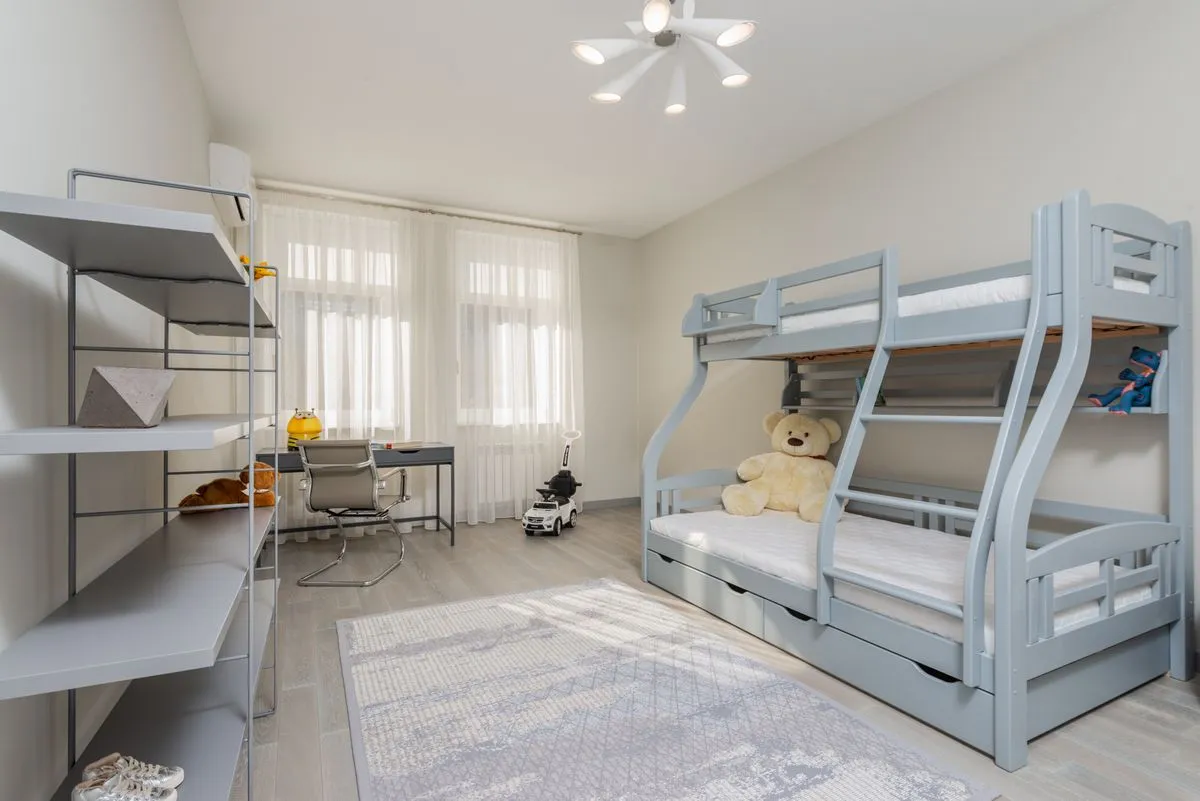
In this article6 sections · Jump to an idea
3 min read
The best storage in a small bedroom reduces the number of things left on the floor or bed at the end of the day. Start with the items that need a home, then measure the places they might go. A large storage unit can make the room harder to use if it blocks the wardrobe, a drawer, or the path beside the bed.
Sort by how often you need each item
Pull out one category at a time: everyday clothes, occasional clothes, bedding, books, and small accessories. Remove items you no longer need before buying containers. Keep the daily group at an easy height and within reach of where it is used. Seasonal bedding and clothes can go in less convenient storage if they can still be retrieved without moving heavy furniture.
Write down the size and quantity of the items that remain. A basket that fits scarves may not fit spare pillows, and a shallow drawer may work better for folded clothes than a deep bin where the bottom layer disappears.
Map the room’s moving parts
Measure the clear space beside the bed and in front of the wardrobe. Open wardrobe doors and bedside drawers fully. Mark outlets, radiators, vents, and any wall fittings that a new unit would cover. Tape the outline of a proposed cabinet or bench on the floor and walk the route, including when two people use the room if that is relevant.
This check often shows whether a bedside table with drawers is useful, whether a narrow wall shelf would be enough, or whether the existing wardrobe needs a better internal layout.
Test under-bed storage properly
Measure the floor-to-frame gap at its lowest point, including support rails, castors, and the center of the bed. Measure the usable width and depth between legs and supports. Then check the clear floor area needed to pull a bin all the way out.
For illustration, a bed with a 15 cm minimum gap and a 12 cm high bin has 3 cm of nominal vertical room. Handles, carpet, and uneven flooring may use that margin. Try a cardboard template or an existing box of the same size before buying several bins.
Choose containers by what they hold and how often they will be opened. A low pull-out bin is useful for regularly changed bedding; a labeled closed container can hold less-used items. Avoid blocking access to anything that needs inspection or cleaning beneath the bed.
Improve the wardrobe before adding furniture
Check whether the wardrobe’s real problem is too little hanging space, too few shelves, or items hidden behind other items. A shelf divider can keep folded stacks separate; a drawer or shallow bin can keep small accessories visible. Double hanging rails help only when the garments are short enough and both rails remain reachable.
Store daily clothes where they can be seen without pulling out several other groups. Keep a small amount of empty room so clean laundry can be returned to its place. If a category still overflows, revisit how much belongs in the room before adding another cabinet.
Use walls and the bedside area with care
A headboard shelf can replace a bedside table when it fits the bed and holds only items that can be reached safely. Check that lamps and chargers have a suitable outlet and that stored objects cannot easily fall onto the bed. A bedside drawer is better for small items that would otherwise cover the sleeping surface.
Tall wardrobes and wall shelves can use height while keeping floor area open. Follow the maker’s installation and anchoring instructions, especially for units that could tip. Put lighter, seldom-used items up high and keep heavy or daily items lower. In a rental, a stable freestanding piece may be possible, but its door swing and footprint still need the same check.
Run a one-week reset
At the end of each day for a week, notice what lands on the bed, chair, or floor. If it is tomorrow’s outfit, one suitable hook may solve the problem. If it is laundry, a hamper near where clothes are removed may help. Change the place for that item first, then see whether the room stays easier to use.
Save it
Pin this for your board
Tap the image to save it to Pinterest and come back to it when you are ready to start.