In this article18 sections · Jump to an idea
5 min read
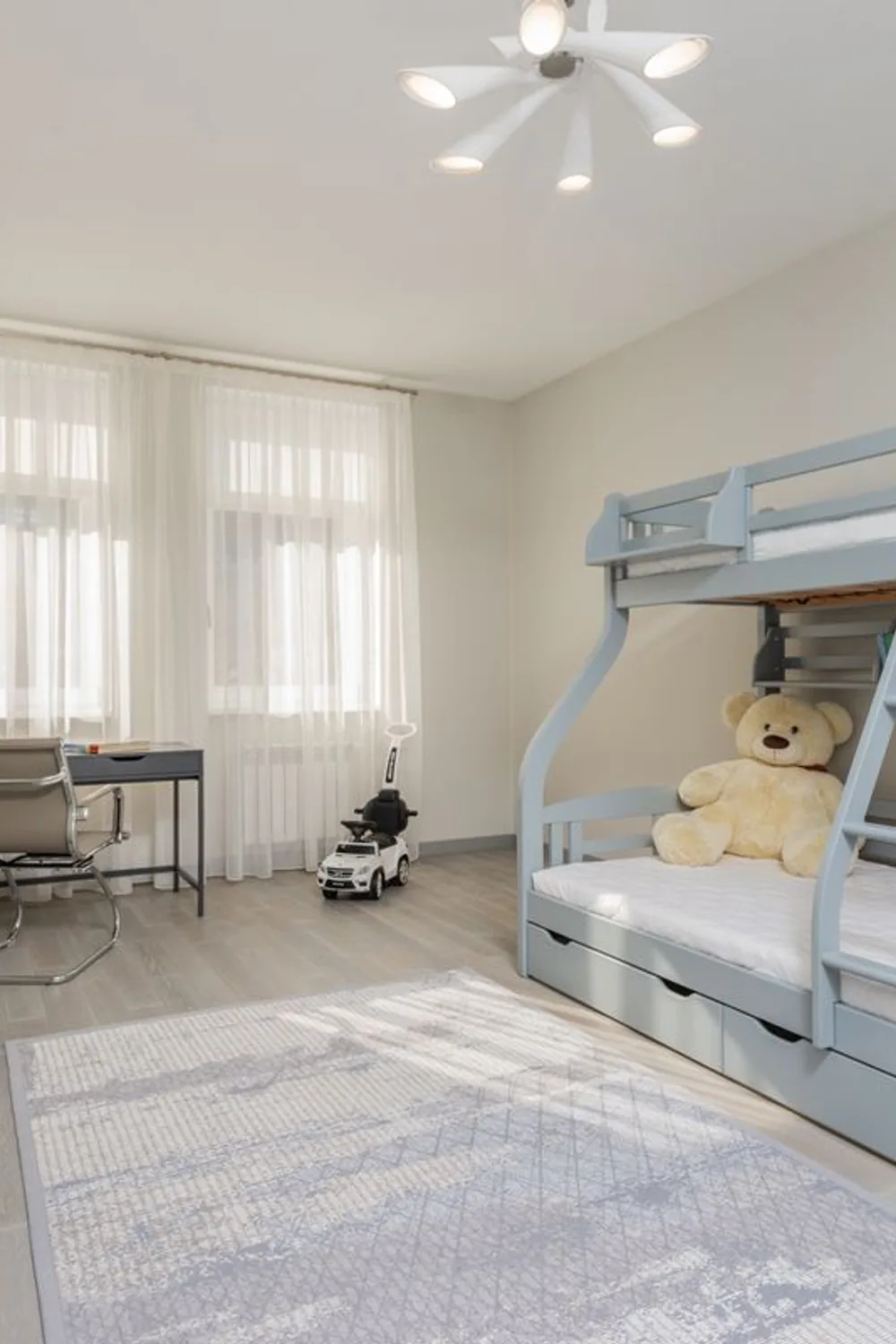
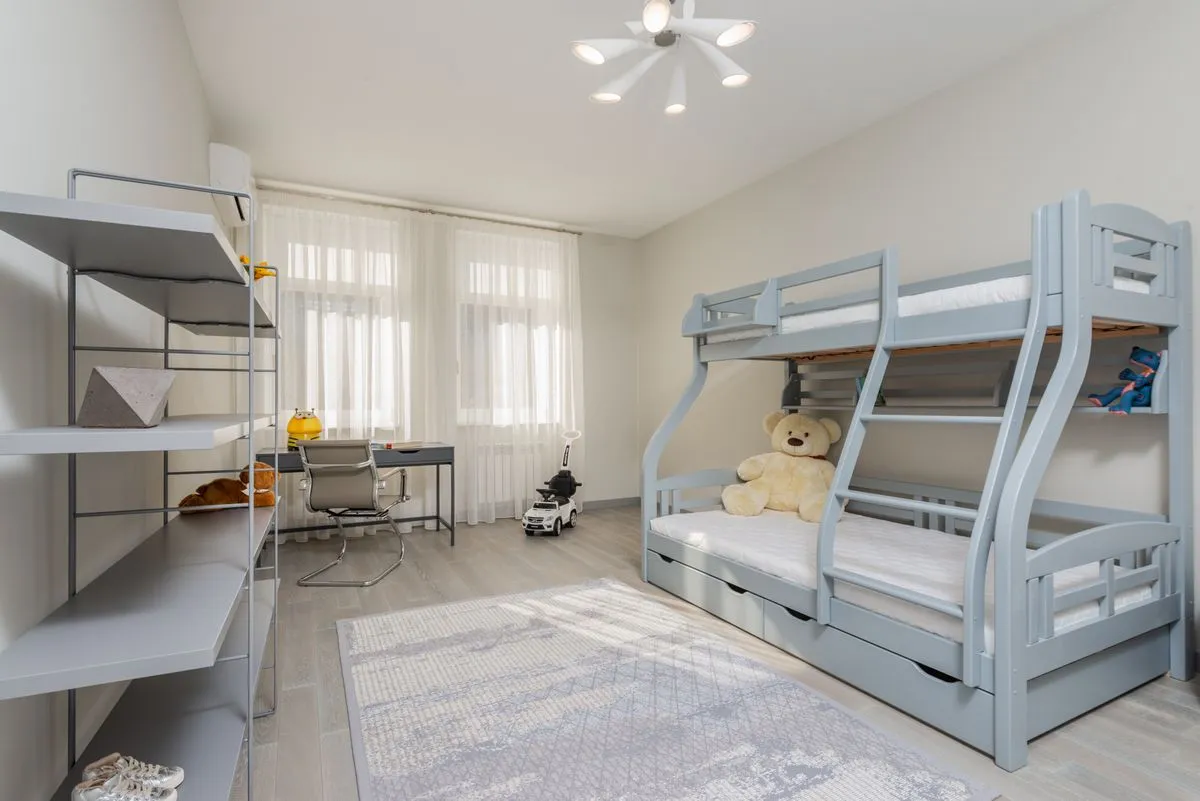
A small boys bedroom can feel comfortable, organized, and full of personality without being packed with furniture. The key is to make every piece work harder: use vertical space, keep the floor open, choose compact furniture, and give everyday items a clear home.
These small boys bedroom ideas focus on realistic changes you can use in a box room, apartment bedroom, shared room, or any space where storage and layout matter as much as style.
1. Start With the Bed Position
Before buying storage, decide where the bed should go. In a narrow room, placing the long side of the bed against a wall often opens a larger central floor area for play or movement.
Leave enough clearance for doors and drawers to open comfortably. A beautiful layout is not useful if a wardrobe door hits the bed every morning.
2. Choose a Bed With Built-In Storage
A drawer bed or lift-up storage bed uses space that would otherwise be wasted. It is ideal for extra bedding, seasonal clothes, toys, sports gear, or shoes.
Budget alternative: use matching low-profile storage boxes under an existing bed. Measure the under-bed clearance first so the boxes slide in easily.
3. Use Light, Warm Wall Colors
Warm white, soft beige, pale grey, muted blue, and gentle sage help a compact room feel calmer and visually larger. You can still add stronger colors through bedding, artwork, and smaller accessories.
A common mistake is using too many strong colors on every surface. In a small room, one or two accent colors are usually enough.
4. Add Floating Shelves Instead of Another Cabinet
Floating shelves keep books and small objects off the floor without adding the visual weight of a full bookcase. Use them above a desk, beside the bed, or on a short empty wall.
Keep heavier items low and avoid placing a shelf directly where a child may bump into it when getting out of bed.
5. Consider a Loft Bed for Older Children
A loft bed can turn one footprint into two zones: sleeping above and studying, reading, or storage below. This is especially useful when the room cannot fit both a normal bed and a desk.
Check the ceiling height and manufacturer safety guidance before choosing one. The sleeping area should not feel cramped against the ceiling.
6. Use a Narrow Desk
A homework station does not need a deep office desk. A slim desk or wall-mounted surface can be enough for a laptop, notebook, and lamp.
Mount a small shelf above it for stationery so the desktop stays usable. In very tight rooms, a folding wall desk is a good budget-friendly option.
7. Take Storage Up the Wall
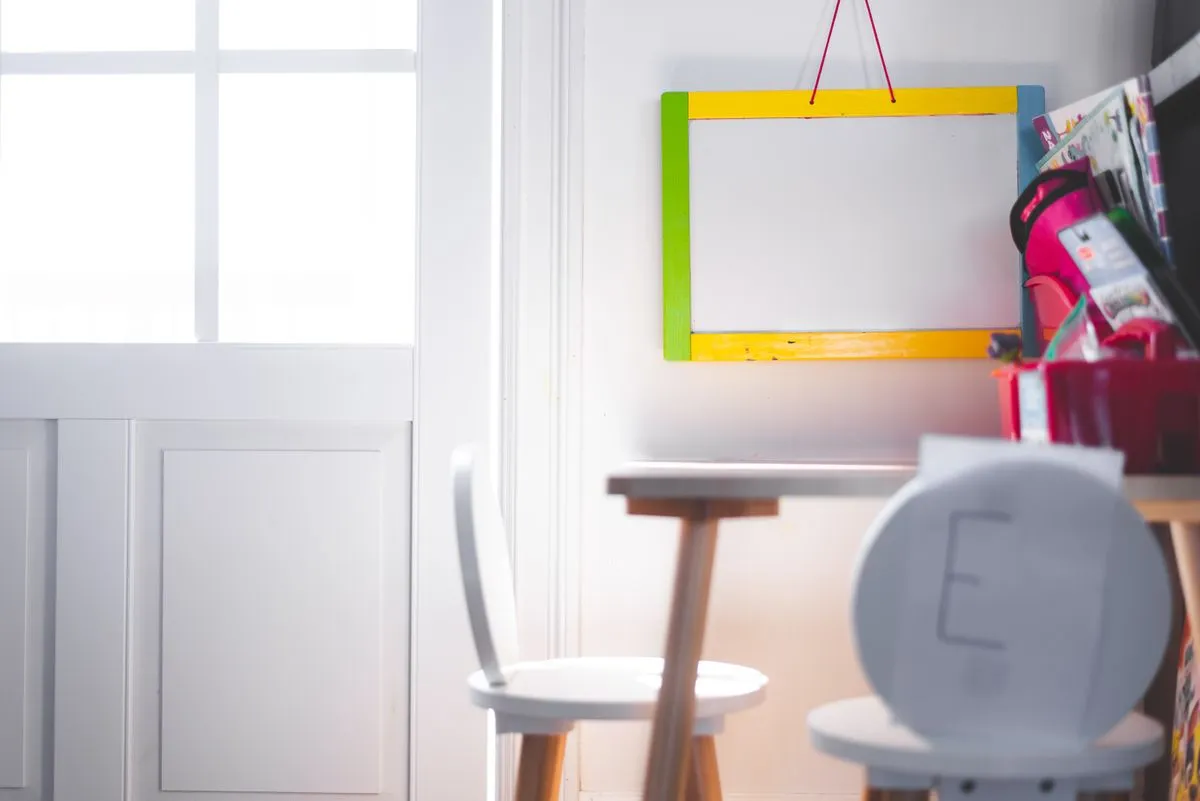
When floor space is limited, use height. Tall bookcases, pegboards, wall pockets, and shelves let you store more without making the room harder to walk through.
Put daily-use items within easy reach and keep less-used items higher. This makes the storage practical rather than decorative only.
8. Add a Pegboard for Changing Needs
A pegboard is flexible because hooks, cups, and small shelves can move as interests change. It can hold headphones, caps, art supplies, small toys, or school items.
Keep the arrangement simple. Filling every peg usually makes the wall feel cluttered instead of organized.
9. Use Baskets to Hide Visual Clutter
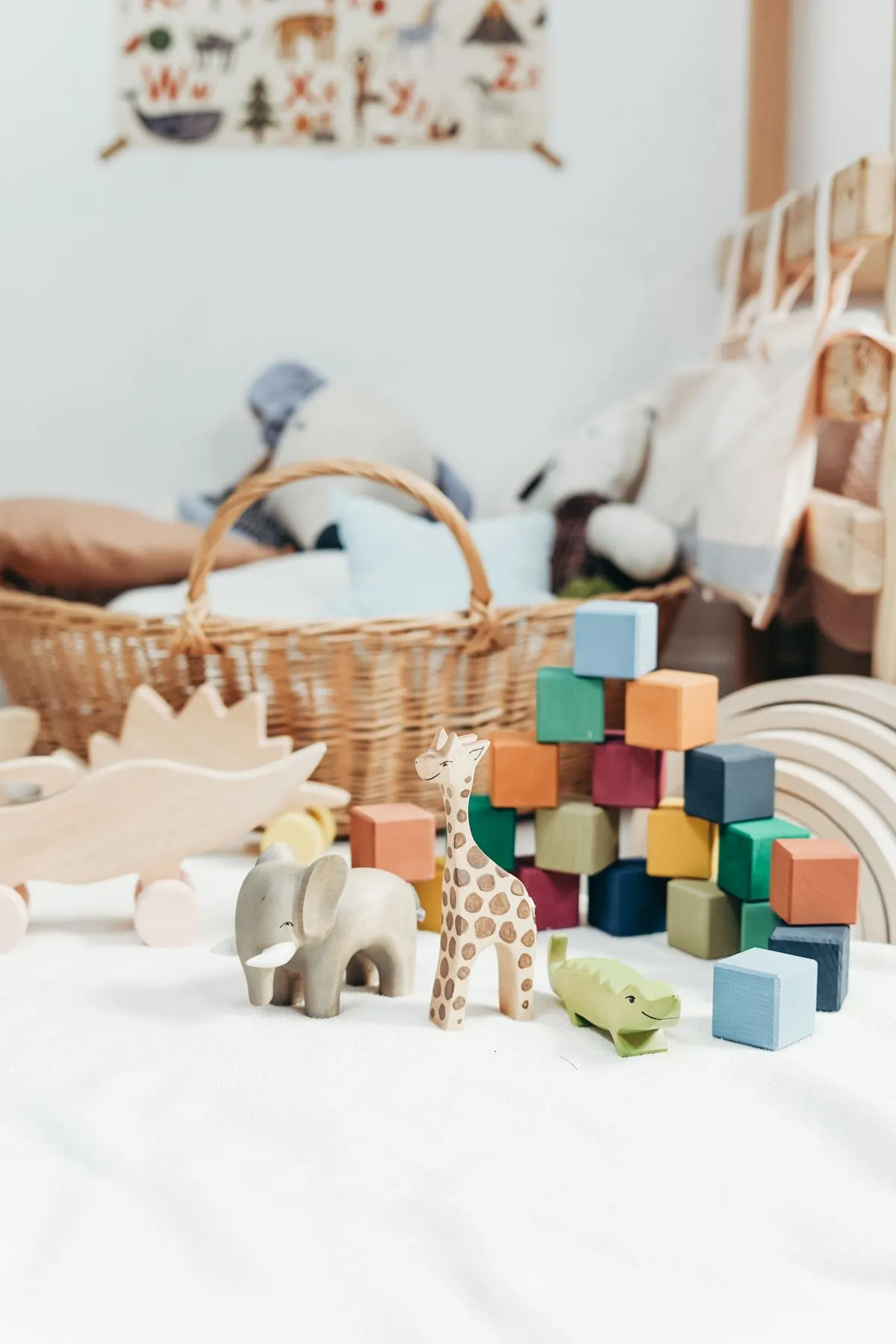
Open shelving looks better when small toys and loose items are grouped into baskets. Use a few consistent basket sizes and label them with simple categories such as LEGO, cars, books, or sports.
Woven baskets suit a warm neutral room, while fabric bins are lighter and usually cheaper.
10. Create a Small Reading Corner
A reading corner can fit into a space too small for another piece of furniture. Add a floor cushion, a wall-mounted reading light, and a short book ledge.
If the room is extremely small, the end of the bed can double as the reading spot with one extra cushion and a nearby book basket.
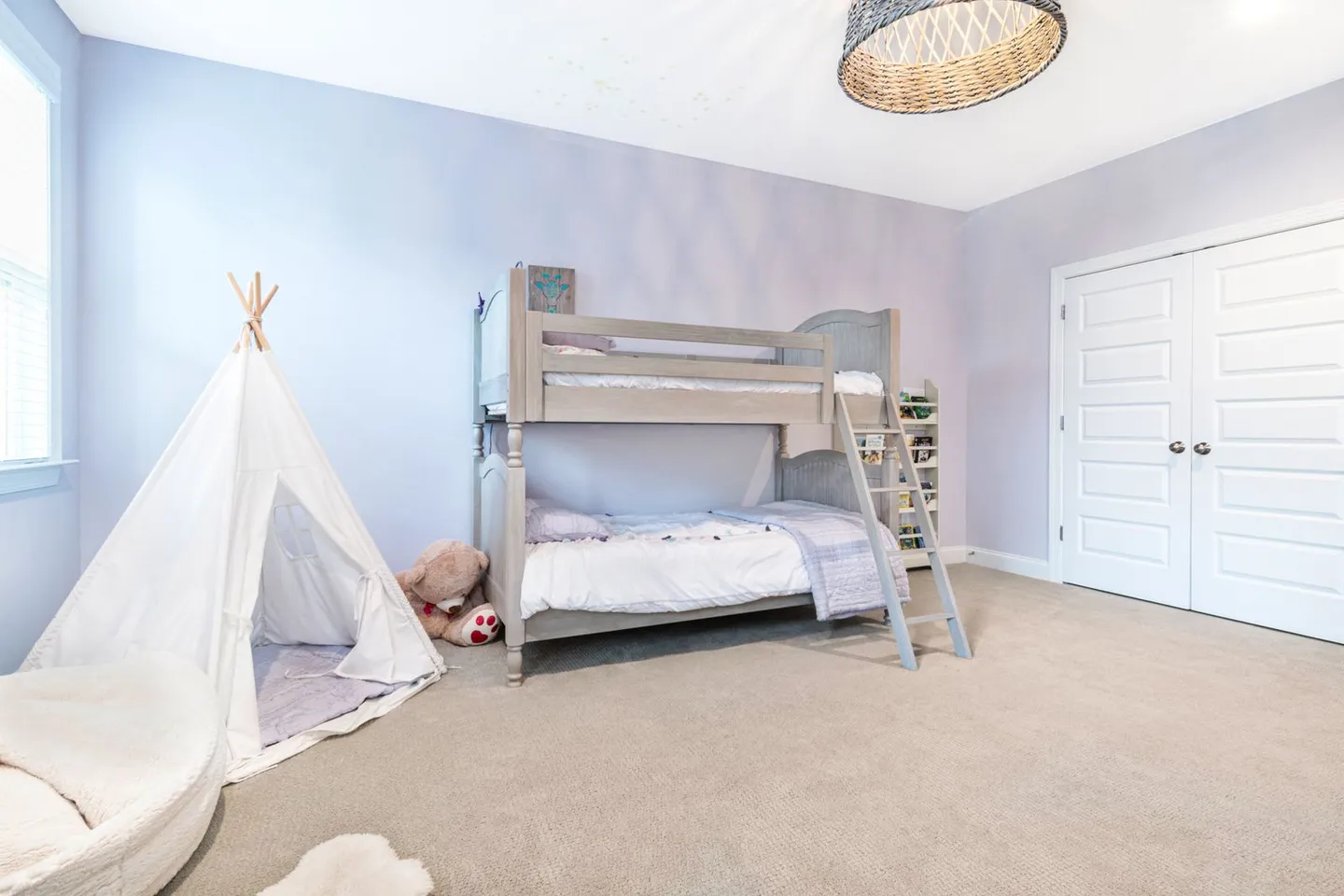
11. Use Hooks Behind the Door
The back of the bedroom door is useful for school bags, hoodies, caps, or light sports gear. It reduces the number of items that end up on the floor or chair.
Choose low-profile hooks so the door can still open fully. Over-door hooks are a no-drill option for rentals.
12. Choose Multi-Purpose Furniture
In a small bedroom, every large piece should ideally do more than one job. A storage bench offers seating and toy storage; a bedside cabinet provides both a surface and drawers.
Avoid adding furniture just to fill an empty corner. Open floor space is valuable in a compact room.
13. Keep the Bedding Visually Simple
A neutral duvet with one patterned throw or a couple of accent pillows gives the room personality without overwhelming it. This works particularly well when the walls already have artwork or shelving.
You do not need to avoid color; the goal is simply to repeat a limited palette instead of introducing a new color in every item.
14. Use One Clear Theme
Sports, space, cars, nature, gaming, or a modern neutral look can give the room direction. Use the theme in two or three places rather than covering the room in matching themed products.
For example, a space room may only need one framed print, navy bedding, and a small planet lamp.
15. Leave Some Wall Space Empty
Not every wall needs shelves, posters, and storage. Empty wall space creates visual breathing room and makes the pieces you do display feel more intentional.
This is one of the easiest ways to stop a small room from looking overloaded, and it costs nothing.
16. Use a Consistent Storage Zone
Try to keep similar activities together: books near the reading area, school supplies near the desk, and clothes near the wardrobe. This reduces the amount of movement and makes tidying easier.
When storage is scattered everywhere, even a well-decorated room can feel chaotic.
17. Declutter as the Room Changes
Children outgrow clothes, toys, and interests quickly. Review the room every few months and remove items that no longer fit or get used.
The cheapest small-space upgrade is often removing unnecessary things rather than buying another organizer.
For more finishing touches, explore our small bedroom styling ideas.
Final Thoughts
The best small boys bedroom is not the one with the most storage products. It is the room where the bed, clothes, school items, and play things all have a sensible place. Start with the layout, use vertical and under-bed space, and then add personality through a limited color palette and a few meaningful details.
Save it
Pin this for your board
Tap the image to save it to Pinterest and come back to it when you are ready to start.